For HOA boards and property managers across Florida, concrete deterioration is one of the most easily overlooked and most dangerous maintenance issues a property can face. Unlike a leaking window or fading paint, concrete damage often develops beneath the surface for years before it becomes visible, and by the time spalling or cracking is obvious, the underlying structural steel may already be compromised.
Since Florida introduced stricter milestone inspection and structural integrity reporting requirements for condominium and HOA buildings, concrete restoration has moved from a “nice to fix eventually” item to a compliance and safety priority for boards throughout Broward County, Lee County, and the rest of the state.
At MTD Painting & Construction, we’ve spent more than 20 years assessing and restoring concrete on HOA and commercial properties across Florida, and the same lesson holds true on nearly every project: the earlier spalling and cracking are caught, the less invasive — and less expensive — the repair.
What Is Concrete Spalling, and Why Does It Happen in Florida?
Spalling is the process by which concrete flakes, chips, or breaks away from the surface, often exposing the reinforcing steel (rebar) underneath. In Florida, this happens through a specific and predictable chain of events:
Water intrudes into the concrete through hairline cracks, porous surfaces, or failed waterproofing
Salt and moisture reach the embedded rebar, especially in coastal areas where salt air accelerates the process
The rebar begins to rust and expand — rusted steel can expand to several times its original volume
The expanding rebar pushes outward, cracking and eventually breaking off the surrounding concrete from the inside
This is why spalling is often described as a structural issue disguised as a cosmetic one. By the time you can see the chipped concrete or exposed rebar, the corrosion process has typically been active for months or years.
Why This Matters More in Florida Than Other States
Florida’s combination of humidity, salt air, and frequent wind-driven rain creates near-ideal conditions for the spalling process to accelerate:
- Coastal salt exposure in areas throughout Lee County dramatically speeds up rebar corrosion compared to inland concrete structures
- Year-round moisture means concrete rarely gets extended dry periods to slow the corrosion cycle
- Older buildings, many built before modern concrete cover and waterproofing standards, are especially vulnerable which is part of why Florida’s milestone inspection requirements specifically target buildings at certain age thresholds
Warning Signs Every HOA Board and Property Manager Should Know
Visible Warning Signs
- Hairline to wide cracks in concrete walls, columns, balconies, or walkways
- Rust staining running down from cracks — a strong indicator that water has reached the rebar
- Bulging or flaking concrete on surfaces, especially balcony undersides and exterior columns
- Exposed rebar visible through broken concrete
- Efflorescence — white, chalky mineral deposits that indicate water has been moving through the concrete
Less Obvious Warning Signs
Hollow-sounding concrete when tapped, which can indicate delamination beneath the surface even without visible cracking
Popping or cracking sounds in structural elements, particularly after temperature swings
Consistently damp areas on concrete surfaces that don’t dry out even in dry weather, suggesting water is trapped rather than draining
Property managers and board members conducting routine walkthroughs should pay particular attention to balcony undersides, parking structure ceilings and columns, and any concrete surface near ground level where water pooling is common — these areas typically show deterioration first.
Florida's Milestone Inspection Requirements: What Boards Need to Know
Following the Surfside condominium collapse in 2021, Florida enacted structural inspection requirements for condominium and cooperative buildings three stories or taller. These laws generally require:
- Milestone structural inspections at specific building age thresholds (typically 30 years, or 25 years for coastal properties, with recertification every 10 years after)
- Structural Integrity Reserve Studies (SIRS) requiring associations to maintain adequate reserves for structural components, including concrete restoration
- Phase 1 and Phase 2 inspections, where Phase 2 (a more invasive structural assessment) is triggered if Phase 1 identifies substantial structural deterioration
Because these requirements are specific to building type, age, and location, HOA boards should confirm their exact obligations with a licensed engineer or their property’s legal counsel but the broader takeaway for every board, regardless of whether a building meets the milestone threshold, is the same: proactive concrete assessment is now both a safety practice and increasingly a legal expectation in Florida.
The Concrete Restoration Process: What to Expect
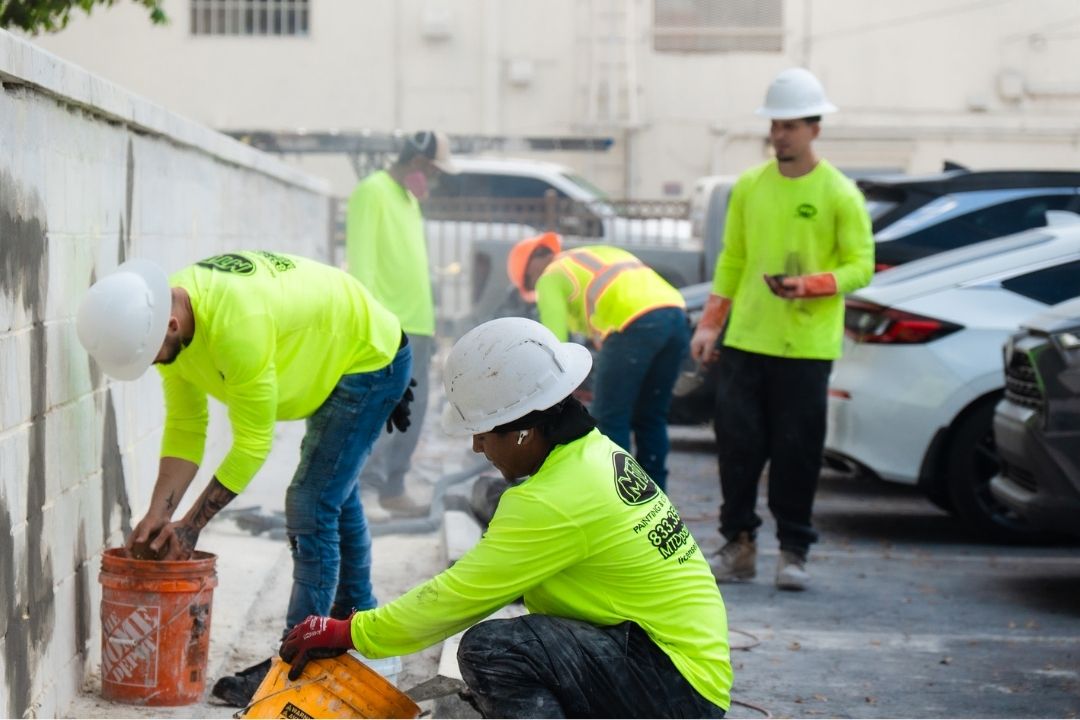
When spalling or structural cracking is identified, a proper restoration follows a specific sequence to ensure the repair actually addresses the underlying corrosion rather than just patching the visible damage:
- Assessment and delamination mapping — identifying all areas of hidden deterioration, not just visible damage, often using sounding techniques or moisture meters
- Removal of deteriorated concrete down to sound material surrounding the affected rebar
- Rebar cleaning or replacement — corroded rebar is cleaned of rust or replaced, and often treated with a corrosion-inhibiting coating
- Repair mortar application, engineered specifically for structural concrete repair rather than standard patching compound
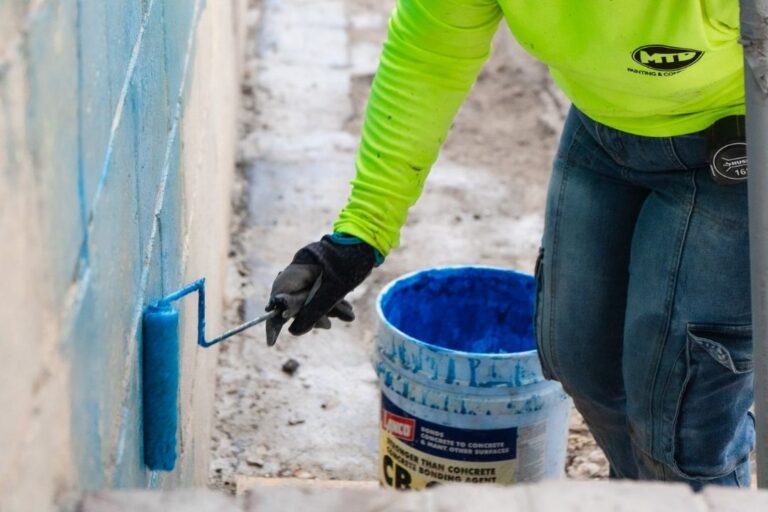
- Waterproofing and sealing of the repaired area and surrounding surfaces to prevent recurrence
- Surface finishing and repainting to match the surrounding structure aesthetically
Skipping steps, particularly full removal of deteriorated concrete and proper rebar treatment, is the most common reason concrete “repairs” fail and require redoing within a few years.
The Cost of Waiting
Concrete restoration costs scale dramatically based on how early the issue is caught:
Early-stage cracking or minor spalling can often be addressed with targeted patch repair and waterproofing at a relatively modest cost per affected area
Advanced spalling with significant rebar exposure requires more extensive concrete removal and structural rebar work, increasing both material and labor costs substantially
Deferred maintenance that progresses to structural concern can trigger mandatory Phase 2 engineering inspections, emergency repairs, and in serious cases, unit habitability restrictions — all of which carry costs far beyond the original repair scope
For HOA boards managing reserve funds, budgeting for regular concrete assessment is significantly more cost-effective than waiting for a milestone inspection or visible failure to force the issue.
Preventing Future Spalling After Restoration
Restoring damaged concrete addresses the existing problem, but preventing recurrence requires ongoing attention to the conditions that caused it. Boards should build the following into routine maintenance after any restoration project: maintain waterproof coatings on restored surfaces, since a restored balcony or column without proper sealing will begin the same corrosion cycle again; address drainage issues promptly, as standing water and clogged drains are common contributors to repeat spalling in the same areas; inspect expansion joints regularly, since failed joint sealant is one of the most common — and least expensive to fix — sources of recurring damage; and reapply protective sealers on schedule, typically every 5–10 years depending on product and exposure.
Choosing a Qualified Contractor for Concrete Restoration
Because concrete restoration involves structural elements, HOA boards should hold contractors to a higher standard than typical cosmetic work. Key questions before hiring: Is the contractor a licensed Florida general contractor with specific structural concrete restoration experience? Will they coordinate with a structural engineer when the scope requires it? Do they provide a detailed scope identifying concrete removal extent, rebar treatment, and repair materials, rather than a vague lump-sum estimate? Can they provide references from other HOA or condominium restoration projects? What warranty is offered on the structural repair itself, separate from any finishing or repainting warranty?
Boards should be cautious of unusually low bids for this type of work; corner-cutting on rebar treatment or removal depth isn’t visible once the repair is finished and painted, but it significantly shortens the life of the repair.
Frequently Asked Questions
How often should HOA properties have their concrete inspected?
mandated milestone inspections for qualifying buildings, a general visual assessment of exposed concrete — balconies, columns, walkways, and parking structures — should be conducted annually, with a more thorough professional assessment every 3–5 years depending on the building’s age and coastal exposure.
Is concrete spalling always a structural safety issue?
Not always, but it should always be assessed by a professional. Surface-level spalling without rebar exposure may be primarily cosmetic, while spalling with exposed or significantly corroded rebar can indicate a genuine structural concern requiring engineering evaluation.
Can concrete restoration be done without a full building shutdown?
In most cases, yes. Balcony, column, and localized wall repairs are typically completed with contained work areas and temporary access restrictions rather than requiring residents to vacate the building, though scope and disruption depend on the extent of the damage.
What's the difference between a Phase 1 and Phase 2 milestone inspection in Florida?
A Phase 1 inspection is a visual structural assessment. If it identifies substantial structural deterioration, a Phase 2 inspection is required, which involves more invasive testing and assessment to determine the full extent of repair needed.
What's the difference between a Phase 1 and Phase 2 milestone inspection in Florida?
In most cases, yes. Balcony, column, and localized wall repairs are typically completed with contained work areas and temporary access restrictions rather than requiring residents to vacate the building, though scope and disruption depend on the extent of the damage.
The Bottom Line for Florida HOA Boards
Concrete spalling and cracking are rarely just cosmetic issues in Florida’s climate — they’re early warning signs of a corrosion process that only gets more expensive and more serious the longer it’s left unaddressed. With Florida’s structural inspection requirements now in place for many condominium and HOA buildings, proactive concrete assessment has become both a safety responsibility and a financial one.
MTD Painting & Construction has provided concrete restoration and structural repair services for HOA and commercial properties across Broward County, Lee County, and Florida for more than two decades, working alongside boards and property managers to catch deterioration early and restore concrete properly the first time.
Noticed cracking, staining, or spalling on your property? Contact MTD Painting & Construction for a concrete condition assessment.